
Hospital Operations Management Solutions
Get access to a deeper level of healthcare operational analytics with JADAK’s custom machine vision solutions, designed to improve hospital operations management.
Use JADAK’s advanced imaging technologies to access deeper operational analytics for healthcare tailored specifically to your hospital’s needs. Integrate analytics into every stage of the surgical process for enhanced hospital operations management to support the delivery of a higher standard of patient care.
Our fully customizable and scalable machine vision solutions include specialized camera mounts and lighting solutions, as well as custom engineering solutions to ensure seamless integration with other medical devices. Request a quote and start transforming your healthcare operational analytics today.
Custom Healthcare Operational Analytics Solutions
Utilize industry-leading machine vision technology in hospital operations management for access to more detailed, more accurate healthcare operational improvement analytics. Data-driven insights play a critical role in preoperative planning and postoperative monitoring to support patient care. Use operational analytics in healthcare to forecast patient flow, allocate resources more efficiently, and support infection control.
Ultimately, this advanced level of healthcare operational analytics can help to improve patient satisfaction and reduce the duration of hospital stays, alongside benefiting a hospital’s overall performance.

Common Hospital Operations Management Challenges
- Operational Inefficiencies: Workflow issues such as the availability of equipment, scheduling conflicts affecting staff or operating rooms, and inefficient use of instruments and other supplies can create additional costs, and cause inconveniences for patients by delaying their surgeries.
- Human Error: Mistakes and miscommunications are among the biggest challenges in hospital operations management, and can potentially lead to workflow disruptions, or surgical complications and extended recovery times for patients.
- Infection Control: Lapses in infection control procedures can increase the risk of postoperative infections, but utilizing operational analytics in healthcare environments can help to tackle this.
- Continuous Patient Monitoring: Monitoring patients continuously during surgery and immediately afterwards is essential to detect any adverse events promptly. However, it can be a challenge to do this accurately and in real time for multiple patients at once without access to the right healthcare operational analytics technology.
Machine Vision Hospital Operations Management Solutions
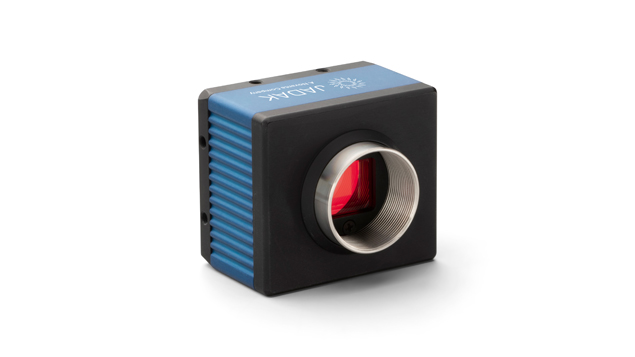
Key Features:
- Portfolio includes machine vision edge cameras and machine vision streaming area cameras
- In-built FPGA technology for high-speed data processing, enabling real-time image analysis and decision-making to support efficient hospital operations management
- Superior image quality, thanks to LightWise Image Processing technology
- Advanced image processing capability via large image buffers
- Compact and lightweight machine vision cameras
- Customizable and scalable to deliver the level of healthcare operational analytics each individual client requires
Common Hospital Operations Management Challenges
- Advanced Operational Analytics: JADAK’s machine vision technology gives you access to healthcare operational analytics in real time, providing more detailed insights into surgical procedures and patient conditions. This can subsequently support hospital operations managers with predictive analysis, trend analysis, and anomaly detection.
- Optimized Workflows: Streamline workflows by tracking surgical instruments and other tools in real time to reduce the likelihood of delays. Monitor the usage patterns of specific supplies to support hospital inventory management, reduce waste, and improve overall operational efficiency.
- Reduced Human Error: Machine vision provides real-time feedback and alerts, helping surgeons adhere to protocols and avoid mistakes to reduce the risk of human error.
- Improved Patient Outcomes: Using machine vision-enabled operational analytics in healthcare environments can support improved patient outcomes by assisting with monitoring vitals and the condition of surgical sites, meaning complications can be detected earlier. Machine vision can also identify breaches in the sterile field, so these can be addressed as soon as possible.
JADAK’s Hospital Operations Solutions
Our industry-leading machine vision solutions have a variety of applications in healthcare environments, including in healthcare operational analytics, surgical imaging, and surgical navigation systems. Explore our portfolio of healthcare engineering solutions, or contact us to find out more.
Frequently Asked Questions (FAQs)
Healthcare operational analytics will provide hospitals and other medical facilities with insights into workflow, schedules, equipment location, infection control measures and patient progress to support smooth operations management. Hospitals need fast, accurate access to these insights to make reactive decisions, stay agile, and deliver a high standard of patient care.
Using machine vision technology in hospital operations management provides real-time access to detailed data insights, supporting critical decision making in busy healthcare environments. There are many benefits to improving operational analytics for healthcare managers, including the ability to streamline workflows, increase efficiency, reduce the risk of human error, manage infection control measures, and support patient outcomes.
There will always be a period of adjustment when introducing a new hospital operations management system, particularly when integrating healthcare operational analytics with existing systems and technologies. JADAK’s solutions are custom built for seamless integration to make the implementation period as seamless as possible.
JADAK Customized Engineering
With our engineer-to-engineer collaboration approach, our team becomes an extension of yours. It starts by gaining a deeper understanding of your application. Then, we’ll help develop and implement a solution that’s a precise fit, supporting you throughout the product lifecycle.