
Surgical Robotics Solutions
Improve patient outcomes with JADAK’s machine vision solutions for surgical robotics, which enables real-time image processing for enhanced surgical precision.
Embed JADAK’s advanced machine vision streaming cameras in surgical robotics to revolutionize minimally invasive procedures. Our surgical imaging solutions are fully customizable and can be integrated with various surgical robotics technology for enhanced precision, greater accuracy, and improved patient outcomes.
Our engineers work with original equipment manufacturers to develop FPGA-driven surgical robot solutions that enable real-time, high-resolution image processing to aid surgeons and benefit patients. JADAK provides ongoing support and maintenance for your custom surgical robotics system, ensuring minimal downtime and fast issue resolution, so you can continue delivering the highest standard of care to your patients.
Custom Surgical Robot Solutions
The use of medical robots for surgery is increasing across the world, but factors such as real-time image processing and accurate depth perception can still pose challenges with some robots. JADAK’s machine vision solutions can be built into robotics surgical systems to assist surgeons with precision, flexibility and control. These cameras provide real-time feedback to support improved precision and accuracy and to benefit patient experiences.
Our surgical robotics technology can be used in minimally invasive procedures, as well as orthopedic, cardiovascular and neurological surgeries. Utilizing custom-built robots for surgery can also be an ergonomic solution, supporting surgeons during long, complex, physically demanding procedures.
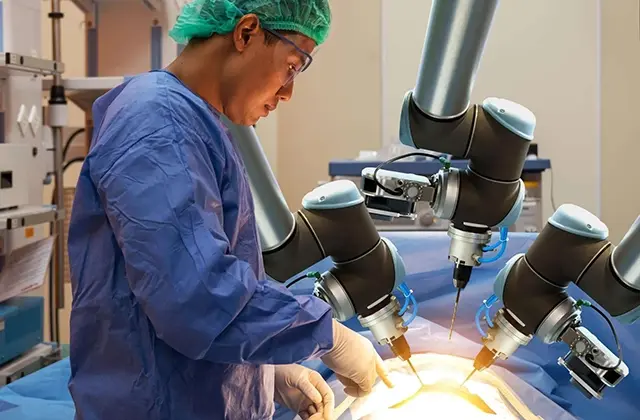
Common Surgical Robotics Challenges
- Real-Time Visualization: Being able to visualize anatomy in real time is essential, but it can be challenging in dark, confined spaces. Surgical site access can present an obstacle, as can latency during image processing, if surgical robotics technology is not up to scratch.
- Technical Precision: It can be extremely difficult to achieve high sensor precision and data accuracy during surgery if real-time images are not available, potentially affecting patient outcomes.
- Software Compatibility: Surgical robotics technology must be compatible with machine vision technology and other necessary software, but this can present a challenge.
- Compliance: Any surgical robotics system must meet stringent medical device regulations and standards, presenting another challenge to surgical robot developers.
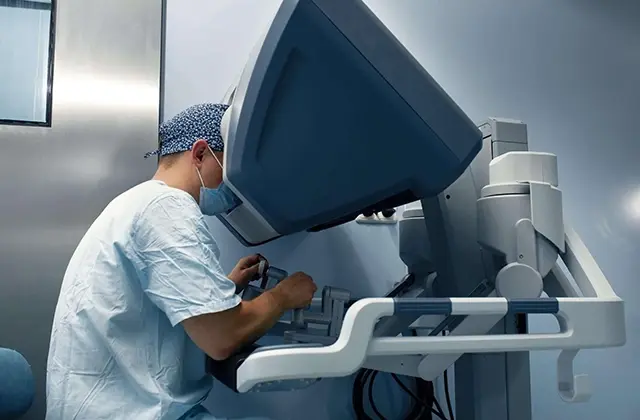
JADAK’s Surgical Robotics Technology
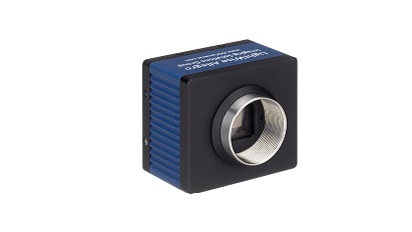
Key Features:
- High-resolution, high-quality machine vision streaming cameras enabling real-time image processing
- Multiple image sensors fed into a single field programmable gate array (FPGA) for real-time image processing and pattern-based tracking
- Dual-sensor synchronization to triangulate instrument location
- Features LightWise Image Processing for advanced image quality
- Ideal for use with surgical robotics for enhanced visualization
- Developed for compliance with all necessary medical regulations
- Designed for seamless integration with existing operating room systems
- Compact, lightweight, customizable and scalable
Benefits of Using Machine Vision Robots for Surgery
- Enhanced Precision: Our state-of-the-art surgical navigation solutions enable a high level of precision, revolutionizing minimally invasive procedures. This means surgeons can perform more complex surgeries with greater accuracy, reducing patient risk.
- Advanced, Real-Time Imaging: Using machine vision-powered robots for surgery enables advanced imaging for more accurate depth perception. Meanwhile, real-time tracking via a combination of machine vision and RFID enhances the safety and effectiveness of operations.
- Improved Patient Outcomes: The greater precision and technologically advanced techniques enabled by surgical robotics can significantly improve patient outcomes, benefiting individuals, as well as the overall healthcare system.
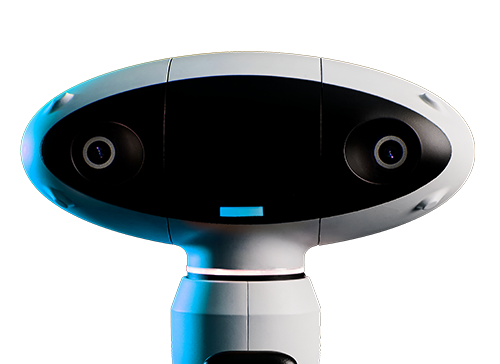
ClaroNav Case Study: The Future of Surgical Visibility and Navigation for Enhanced Patient Safety
JADAK Surgical Imaging Solutions
Our advanced imaging solutions can be used in dental implant surgery, ENT procedures, endoscopy, and microscopy. Machine vision technology can help to improve precision in each of these types of surgery, whether as part of a surgical robot or another system. Contact JADAK today to find out more about our surgical robotics solutions.
Frequently Asked Questions (FAQs)
Machine vision technology can play a key role in surgical robotics. These tiny, advanced FPGA-driven smart cameras can be embedded into a surgical robotics system to support real-time, high-resolution image processing for enhanced visualization during surgery of both anatomy and instruments.
Many different types of surgical procedure can be performed using surgical robotics. This includes minimally invasive surgeries such as dental, ENT, microscopy, or endoscopy procedures, as well as more complex operations, including cardiovascular and neurological surgeries.
The benefits of working alongside a surgical robot for surgeons include being able to access confined spaces more easily, as they’re more flexible than humans for getting to difficult-to-reach sites. Surgical robotics can all share the load during long, complex and demanding procedures, while machine vision provides visual feedback in real time so fast adjustments can be made when necessary.
Patients can benefit from improved outcomes when surgical robotics are used during procedures. The greater precision they enable means there’s less risk of complications or additional surgery being required, and patients may be able to recover faster too.
The main risks associated with surgical robotics include potential system or network issues affecting the functioning of the technology. This is why human surgeons must always work alongside any surgical robot and be on hand to intervene whenever necessary.
JADAK Customized Engineering
With our engineer-to-engineer collaboration approach, our team becomes an extension of yours. It starts by gaining a deeper understanding of your application. Then, we’ll help develop and implement a solution that’s a precise fit, supporting you throughout the product lifecycle.