
What are FPGA-driven smart cameras?
FPGA-driven smart cameras are advanced imaging devices that combine the capabilities of smart cameras and Field-Programmable Gate Arrays (FPGAs). These cameras are equipped with FPGAs, which are reprogrammable hardware components, allowing for real-time image processing, analysis, and customization.
What are FPGAs?
FPGAs, or Field-Programmable Gate Arrays, are integrated circuits that can be programmed and configured by users to perform specific tasks or functions. Unlike traditional processors (CPUs), which are software-based and execute instructions sequentially, FPGAs are hardware-based and can be customized to execute parallel tasks, making them suitable for real-time and high-performance applications.
What are smart cameras?
Smart cameras are specialized digital cameras that have embedded processing capabilities and intelligence for performing tasks like image processing, analysis, and decision-making directly within the camera. These cameras are often used in industrial automation, quality control, surveillance, and various other applications where real-time image analysis is required.
What are FPGA-based smart cameras?
FPGA-based smart cameras combine the image capture capabilities of smart cameras with the reprogrammable power of FPGAs. These cameras capture images or video streams and process them in real-time using FPGA-based hardware acceleration. This allows for rapid and customized image processing, making FPGA-based smart cameras ideal for a wide-range of applications.
Smart cameras with optional FPGA
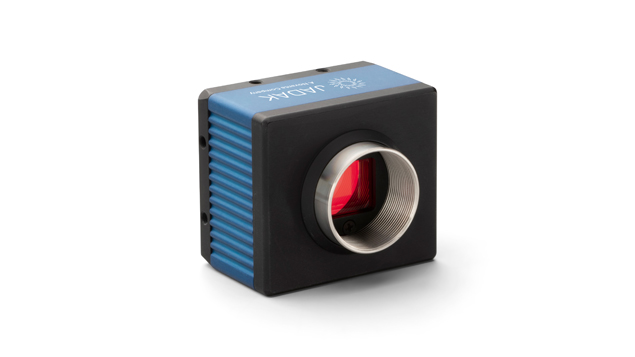
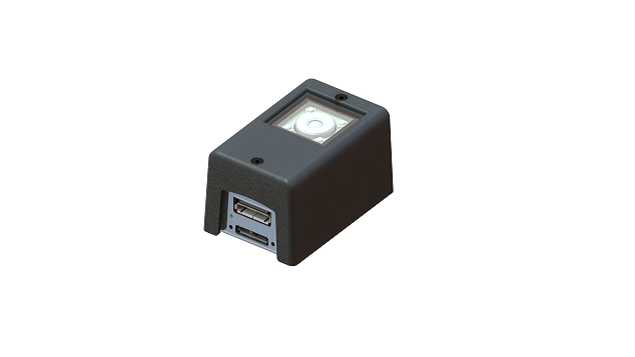
FPGA-based Smart Camera Applications
FPGA-based smart cameras have traditionally been integral in industrial applications, but with significant improvements in cost-effectiveness and enhanced versatility of the technology, they are now making a tremendous impact in other areas such as agriculture and traffic management, and including the following industries:
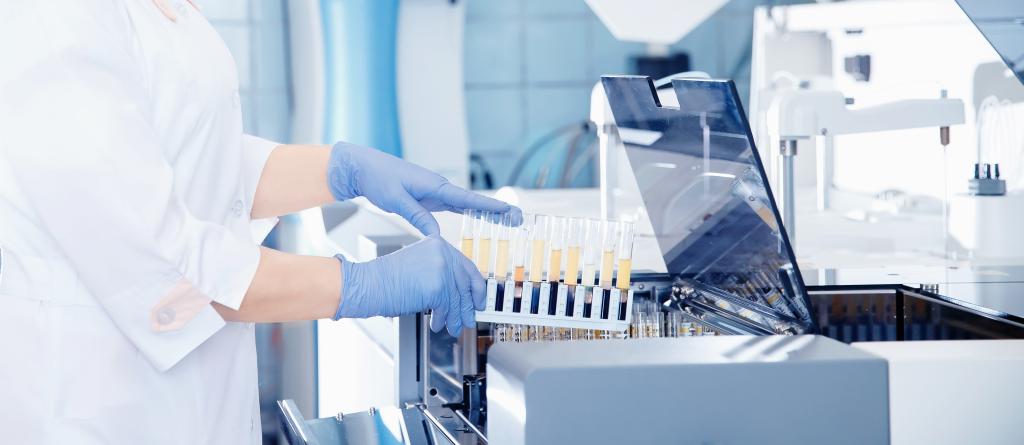
- Healthcare: In medical diagnostics, cameras can process images for preliminary analysis, aiding in faster decision-making.
- Surveillance and Security: Cameras can perform real-time facial recognition or motion detection locally, enabling quicker responses in security scenarios.
- Industrial Automation: In manufacturing, cameras can detect defects or manage quality control processes on the assembly line without the need to send data to a central server.
- Traffic Management: Smart cameras at intersections can analyze traffic patterns and optimize traffic lights, reducing congestion without the need for central processing.
- Retail Customer Analytics: Cameras in retail environments can analyze customer behavior and preferences on-site, providing immediate insights for personalized marketing.
- Agricultural Monitoring: In precision agriculture, cameras can monitor crop health and soil conditions, processing data locally to provide immediate feedback to farmers.
A significant trend is the increasing integration of FPGA-driven smart cameras with edge technology. This shift towards edge computing represents a critical evolution in the field, enhancing the capabilities and efficiency of these smart cameras.
Understanding FPGA-Driven Smart Cameras and Edge Technology
FPGA-driven smart cameras combined with edge technology represent a powerful synergy in the realm of computing and image processing. Let’s explore how these technologies work together and their applications:
How FPGA-Based Smart Cameras Pair with Edge Technologies
- Customizable Processing: FPGAs (Field-Programmable Gate Arrays) are highly customizable, allowing them to be programmed for specific image processing tasks. This means that the camera can be tailored to the specific needs of an edge computing application, whether it’s facial recognition, object detection, or any other specialized task.
- Real-Time Data Processing: FPGA-based cameras excel at processing data in real-time. Edge computing emphasizes processing data near its source to reduce latency. This combination means that data can be processed and acted upon almost instantaneously, which is crucial for applications like autonomous vehicles or industrial automation where split-second decisions are necessary.
- Low Power Consumption: FPGAs are generally more power-efficient for specific tasks compared to general-purpose processors. This efficiency is vital in edge computing environments where power resources may be limited or where reducing energy consumption is a priority.
- High-Speed Performance: FPGA-based cameras can handle high data throughput, making them suitable for high-resolution or high-frame-rate imaging required in many edge applications.
Why FPGA-Based Smart Cameras Pair Well with Edge Technologies
- Reduced Latency: By processing data locally (at the edge), the need to send large amounts of data back and forth to a central server is eliminated, significantly reducing latency. This is particularly important in applications where timely responses are critical.
- Bandwidth Efficiency: Transmitting high volumes of raw video data over a network can be bandwidth-intensive. By processing data locally, only relevant, processed data needs to be transmitted, which can significantly reduce bandwidth requirements.
- Enhanced Security: Processing data locally means that sensitive information does not have to be transmitted over potentially insecure networks, reducing the risk of data breaches.
- Reliability and Availability: Edge computing can operate independently of central networks, so even if the central server is down, the local processing can continue uninterrupted, ensuring higher system availability and reliability.
- Scalability: Edge computing architectures are inherently scalable. New devices, such as additional FPGA-based smart cameras, can be added without significantly impacting the existing network infrastructure.
The combination of FPGA-based smart cameras with edge computing technologies is a natural fit. This pairing leverages the strengths of both technologies – the flexibility and high-speed processing of FPGAs and the low-latency, efficient, and secure processing of edge computing. This synergy is increasingly recognized as a potent solution in various applications, from industrial control to smart cities and beyond.
Advantages of FPGA-based Smart Cameras at the Edge
- Speed: The combination of FPGA-driven cameras and edge computing allows for rapid processing and analysis of visual data.
- Efficiency: Reduces the need for continuous data transmission to central servers, saving bandwidth and energy.
- Reliability: Local data processing ensures systems are less prone to outages due to network issues.
- Scalability: Easier to scale as each unit operates independently, adding capabilities without overloading a central system.
Components of FPGA-Driven Smart Cameras
FPGA-driven smart cameras are sophisticated devices that incorporate several key components to perform real-time image processing and analysis. These components work together to capture and process visual data efficiently, and include: image sensors, FPGA chips, and memory modules.
Image Sensor
Image sensors are at the core of smart cameras, responsible for capturing visual data from the environment. The image sensor’s primary role is to convert incoming light into electrical signals, creating a digital representation of the visual scene. This raw image data is then processed and analyzed by the FPGA and other components.
Types of image sensors used in FPGA-Driven Smart Cameras
- CMOS (Complementary Metal-Oxide-Semiconductor): CMOS sensors are popular due to their low power consumption, faster readout speeds, and versatility. They are suitable for various applications, from consumer cameras to industrial imaging.
- CCD (Charge-Coupled Device): CCD sensors offer high-quality image capture with lower noise levels, making them ideal for applications where image quality is paramount, such as medical imaging and astronomy.
- Global Shutter vs. Rolling Shutter: Smart cameras may use either global shutter or rolling shutter sensors. Global shutter sensors capture an entire image simultaneously, ensuring accurate capture of fast-moving objects. Rolling shutter sensors scan the image line by line, which can lead to distortion when capturing fast-moving objects but may be more cost-effective.
FPGA Chip
Field-Programmable Gate Arrays (FPGAs) play a central role in FPGA-driven smart cameras providing the following capabilities:
- Real-Time Processing: FPGAs are reprogrammable hardware chips that allow for real-time image processing and analysis directly within the camera. They can be customized to execute parallel processing tasks, making them well-suited for demanding, high-performance applications.
- Image Preprocessing: FPGAs can perform preprocessing tasks such as noise reduction, color correction, and image enhancement. This preprocessing ensures that the captured images are of high quality before further analysis.
- Custom Algorithms: Users can program FPGAs with custom algorithms tailored to specific applications, enabling tasks like object recognition, defect detection, or barcode reading.
- Low Latency: FPGAs offer low latency processing, crucial for applications where immediate decisions or responses are required, such as robotics or quality control.
FPGAs provide high-speed parallel processing capabilities, allowing them to handle complex image processing tasks efficiently. They can process data in real-time, making them suitable for applications that demand rapid decision-making based on visual data.
Memory
Memory is essential for storing both captured images and processed data. FPGA-driven smart cameras typically have two types of memory:
- RAM (Random Access Memory): RAM is used for temporarily storing data during image processing. It provides fast, volatile storage for intermediate results and data buffers.
- Storage Media (e.g., SD cards or internal storage): Captured images and data are often saved to storage media for later retrieval, analysis, or archival purposes.
Memory is crucial in real-time applications because it allows for the storage of intermediate results, reference data, and image sequences. This enables continuous operation and the ability to analyze historical data or troubleshoot issues in real-time applications, such as quality control and surveillance.
How FPGA-Driven Smart Cameras Work
Image Capture and Preprocessing
The process begins with image acquisition using specialized image sensors, such as CMOS or CCD sensors. These sensors capture visual data from the environment, converting incoming light into digital images. Depending on the application, global or rolling shutter sensors may be used to capture images.
Before analysis, the captured images often undergo preprocessing to enhance quality and reduce noise. Common preprocessing techniques performed by FPGA-driven smart cameras include:
- Noise Reduction: Removing or reducing image noise caused by sensor imperfections or environmental factors.
- Color Correction: Adjusting colors to ensure accurate representation.
- Image Enhancement: Improving image contrast, sharpness, or brightness.
- Frame Rate Control: Adjusting the frame rate to optimize processing speed and bandwidth.
FPGA-based Image Processing
The heart of FPGA-driven smart cameras is the FPGA chip itself, reprogrammable hardware components that execute real-time image analysis tasks. Here’s how FPGA-based image processing works:
- Custom Algorithms: Users program FPGAs with custom algorithms tailored to their specific applications. These algorithms can include object recognition, defect detection, barcode reading, and more.
- Parallel Processing: FPGAs excel at parallel processing, allowing them to execute multiple tasks simultaneously. This capability enables high-speed image analysis.
FPGA-driven smart cameras offer flexibility through customizable image processing pipelines. Users can design and modify these pipelines to suit their requirements. A typical pipeline may include steps like image filtering, feature extraction, and decision-making.
Smart Camera Integration with Machine Vision Algorithms
FPGA-driven smart cameras play a crucial role in machine vision applications, particularly in object detection and classification.
- Object Detection: FPGAs analyze images in real-time to identify and locate objects within the field of view. Custom algorithms can detect specific shapes, patterns, or features.
- Object Classification: After detection, FPGAs can classify objects based on predefined criteria. For example, in manufacturing, the camera might classify products as defective or acceptable.
FPGAs are increasingly used in deep learning applications, where neural networks are employed for complex image analysis tasks. FPGAs can accelerate deep learning inference, making them suitable for real-time applications like autonomous vehicles, robotics, and surveillance.
These cameras can be customized with user-defined algorithms, making them versatile tools for a wide range of applications, from quality control in manufacturing to object detection in autonomous systems.
Read whitepaper: Powerful vision systems using modular FPGA-based smart cameras