
Surgical Imaging Systems for Operating Rooms
JADAK’s advanced surgical imaging systems ensure accuracy and efficiency in operating room procedures.
JADAK’s surgical imaging systems offer a fully customizable solution for original equipment manufacturers (OEM) requiring superior image quality and high speed within operating rooms and surgical settings.
Enhanced Surgical Imaging Systems
At JADAK, we provide fully customizable surgical imaging solutions that can be integrated within surgical instruments to enable surgeons to better see tissues being manipulated and enable precise surgical instrument navigation. Our cutting-edge FPGA machine vision cameras offer real-time, high-resolution images that guide surgeons through complex procedures, reduce the need for large incisions, and improve patient outcomes.
Implementing advanced surgical imaging systems and instruments in the operating room is critical to ensure precision, safety, and efficiency during surgeries. Most modern surgical procedures now rely heavily on accurate surgical cameras to ensure visual precision during operations, including surgical navigation, endoscopy and minimally invasive surgeries.
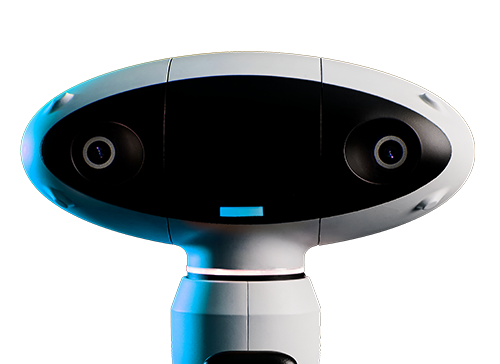
CASE STUDY: Revolutionizing Surgical Navigation with Advanced Imaging Solutions for ClaroNav
Common Surgical Imaging System Challenges
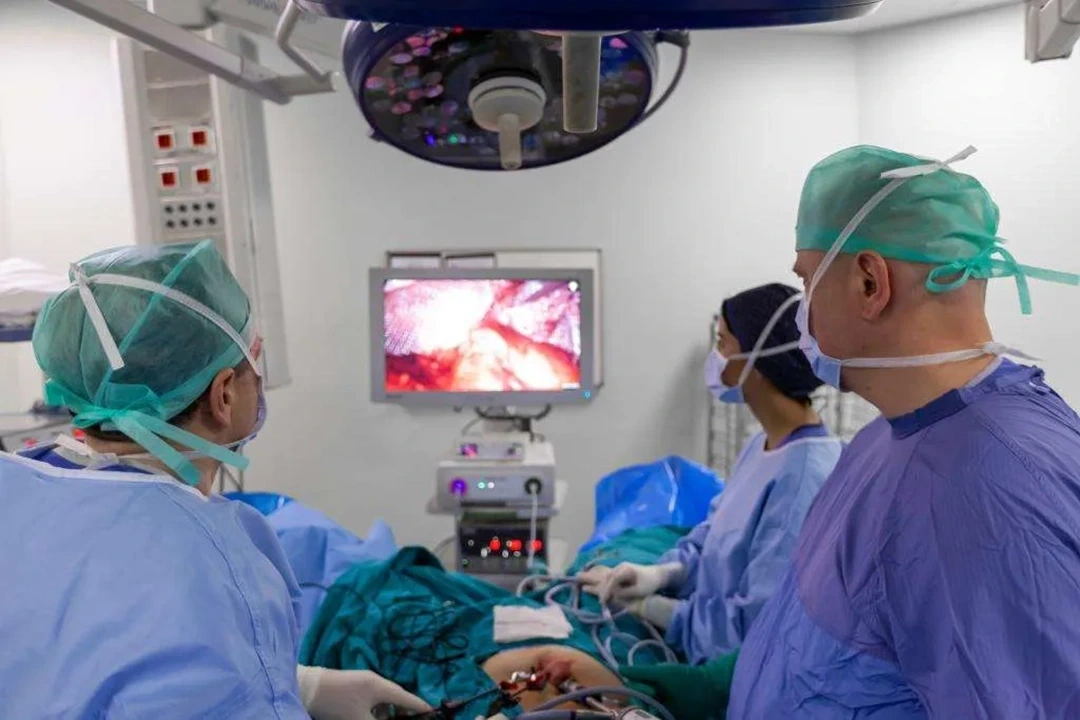
- Increase In Human Errors: The success of traditional surgery relies heavily on the expertise of the surgeon and their visual accuracy, which can lead to surgical errors, particularly during complex procedures.
- Prolonged Recovery With Postoperative Risks: Without accurate surgical imaging cameras, internal visualization during procedures can require larger incisions, resulting in longer recovery periods and a higher risk in postoperative complications.
- Poor Instrument Tracking: Keeping track of surgical tools during procedures while maintaining patient safety can be difficult to manage without the use of surgical imaging systems. This can result in surgeons needing to rely on laparoscopic cameras and human eyesight to locate surgical tools, which can detract focus from performing surgeries.
- Surgical Precision: Surgical procedures have minute margins of error, which can be hard to achieve without the implementation of advanced surgical vision technologies. Surgical imaging systems resolve these difficulties by improving internal visibility and accuracy, allowing surgeons to focus on the procedure at hand.
- Obstructed Surgical Visibility: Traditional laparoscopic lenses can easily fog up or become obstructed during surgeries, requiring the lens to be removed and cleaned during surgery which increases the potential of operative risks and complications.
- Poor Surgical Imaging Display: While laparoscope cameras provide an internal view of the surgery being performed, the image resolution, colour gamut and monitor quality offers a limited visual display of the surgery.
Integrated Surgical Imaging Solutions
- Enhanced Imaging: Surgical imaging cameras offer high-resolution and high-frame-rate imaging, which are crucial for capturing detailed and real-time visuals during surgery.
- Real-Time Monitoring: FPGA cameras provide real-time monitoring of the surgical field, allowing for immediate adjustments and interventions
- Documentation and Training: Surgical vision cameras can also record procedures for documentation, review, and training purposes, helping improve surgical techniques and outcomes.






Frequently Asked Questions (FAQs)
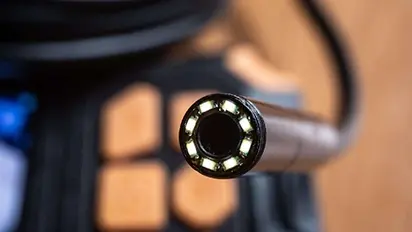
JADAKs FPGA surgical imaging cameras are machine vision cameras that are designed to be a real-time surgical tool that operates at faster speeds than surgical software alone. Our machine vision cameras are able to be fully integrated within surgical instruments to provide a customized surgical imaging system that suits your OEMs requirements.
Surgical imaging systems play a crucial role in enhancing surgical procedures by providing real-time, high-resolution images that enable surgeons to navigate complex anatomical structures with greater precision. These advanced surgical imaging technologies allow for better visualization of a patient’s organs, tissues, and blood vessels during operations. This enhanced visibility helps in minimizing surgical risks, reducing the likelihood of complications, and improving overall patient outcomes.
When choosing a surgical imaging system for a specific procedure, several key considerations must be addressed to ensure optimal results. First, it is crucial to evaluate the type of imaging modality best suited for the procedure. Additionally, consideration should be given to the system’s compatibility with existing surgical instruments and workflows, as well as its ease of use for surgical teams. Image resolution, portability, and real-time surgical imaging capabilities are also vital factors, particularly in complex surgeries where precision is paramount.
The use of surgical imaging systems in the operating room presents several common challenges that can impact the efficiency and effectiveness of surgical procedures. One significant issue is the integration of various imaging modalities, such as X-ray, ultrasound, and MRI, which can lead to complications if the systems are not compatible. Additionally, real-time imaging can be hindered by technical malfunctions or delays in image processing, negatively affecting the surgeon’s ability to perform the surgery.
JADAK Customized Engineering
With our engineer-to-engineer collaboration approach, our team becomes an extension of yours. It starts by gaining a deeper understanding of your application. Then, we’ll help develop and implement a solution that’s a precise fit, supporting you throughout the product lifecycle.