
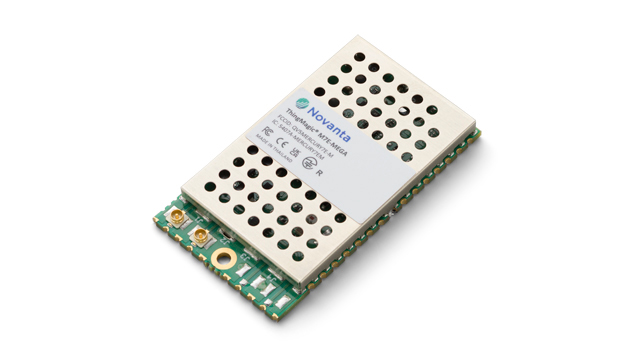
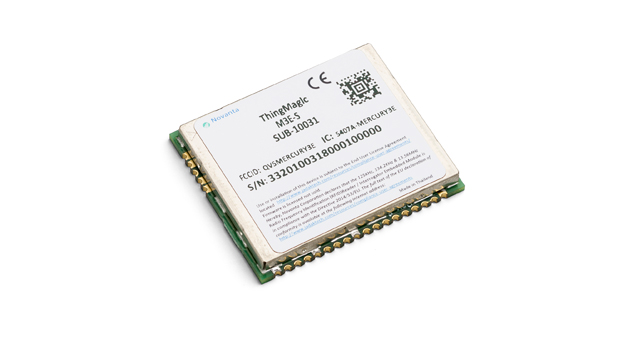
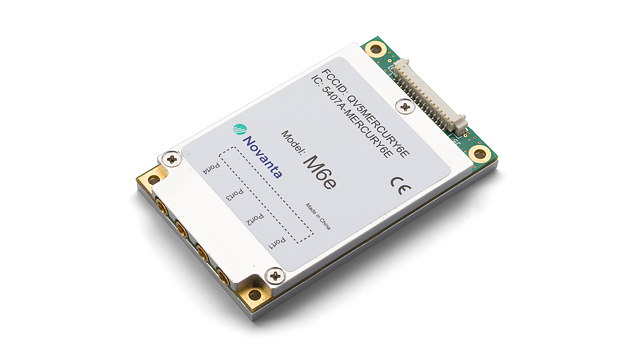
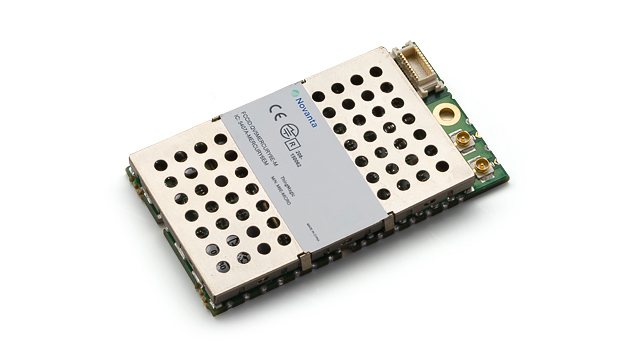
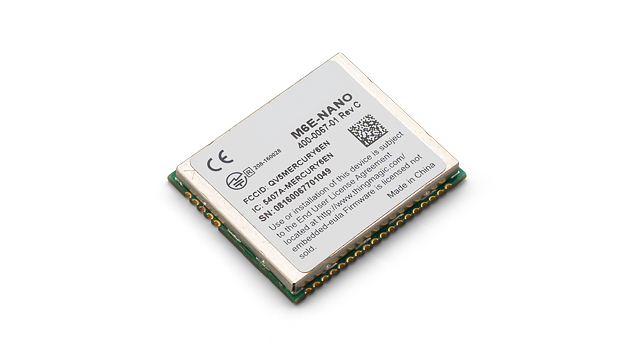
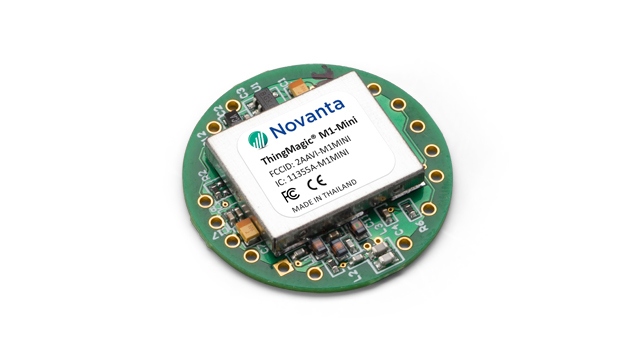
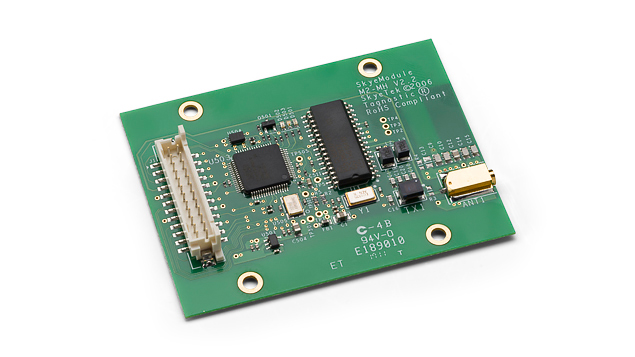
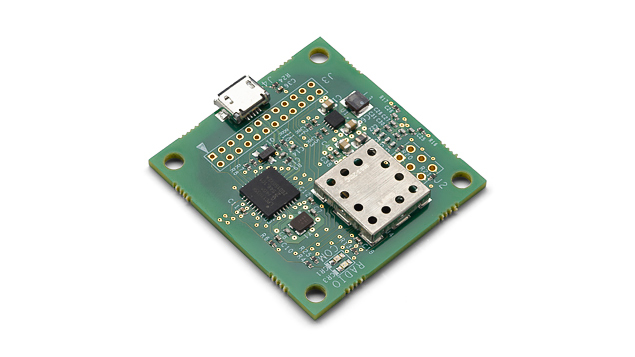
Powered by JADAK’s world-class ThingMagic® RFID technology, our custom solutions utilize the broadest low frequency (LF), high frequency (HF), and ultra-high frequency (UHF/RAIN®) embedded modules and finished readers portfolio in the industry. RFID Technology is widely used within healthcare, retail, hospitality or manufacturing industries for tracking items and personnel. Whether you need an RFID Reader, or an RFID Sensor, our custom devices are suitable for a wide range of industries.
From support through the design process to our extensive regulatory and compliance expertise, we can help you navigate the development certification process with ease. If you require further information, please get in touch with our expert team today and we’ll be happy to help.
RFID Scanners FAQs
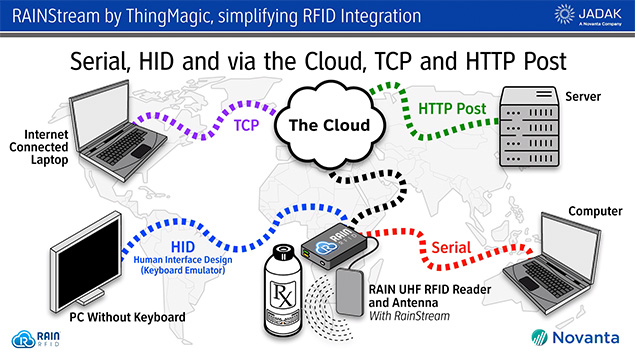
RFID scanners work by using radiofrequency signals to communicate with RFID tags or labels that are attached to objects or products. The scanner emits a signal that activates the RFID tag, which then transmits its unique identification information back to the scanner. This information can include details about the object, such as its location, manufacturer, or expiration date. The RFID scanner then reads and processes this information, in turn allowing businesses to track inventory, prevent theft, and streamline their operations.
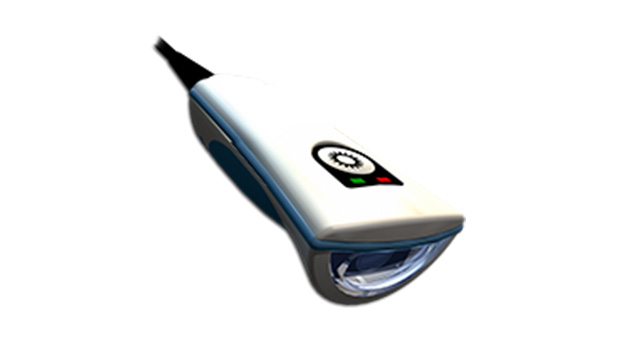
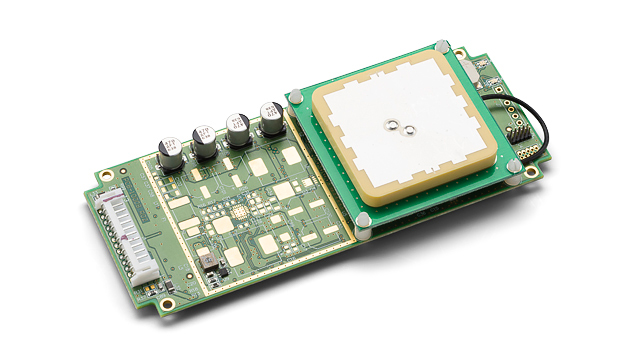
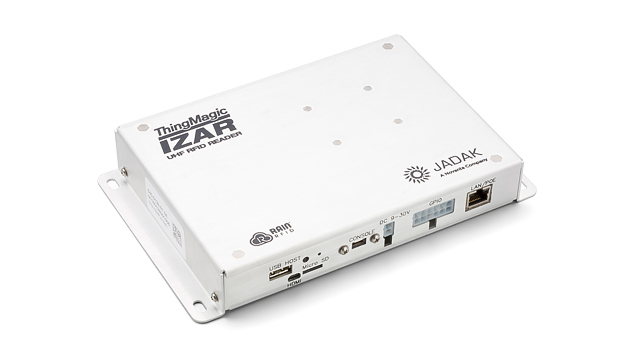
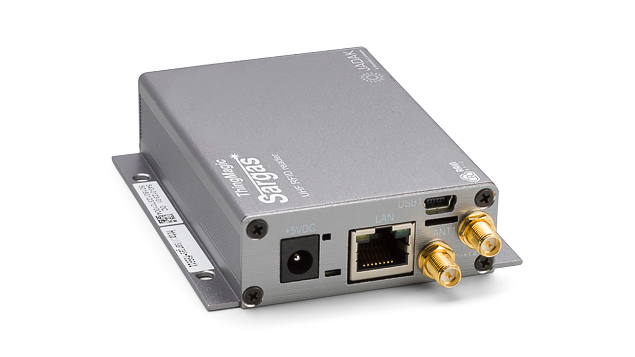
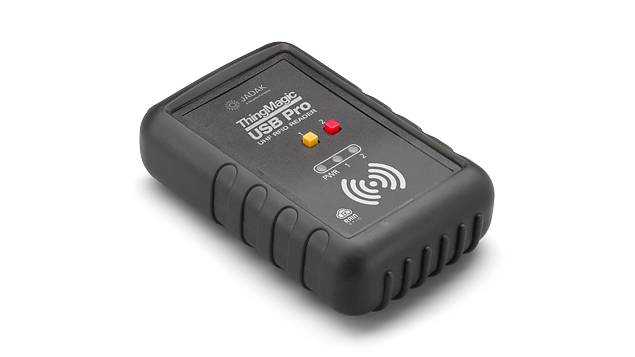
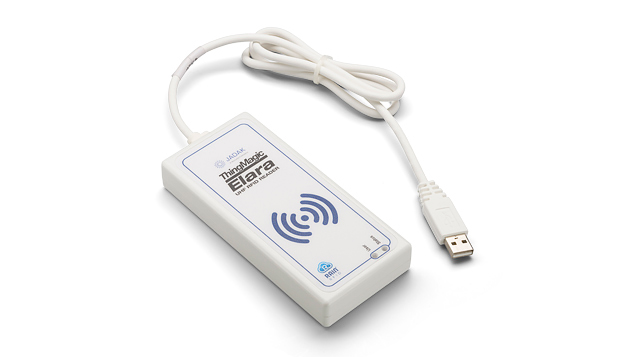
There are various types of RFID readers, each designed for specific purposes. Some common types include handheld RFID readers, fixed RFID readers, and integrated RFID readers. Handheld readers are portable and allow for easy scanning of RFID tags on the go whilst fixed readers are stationary and are often used in warehouses or production lines for automated tracking. Similarly, integrated readers are built into other devices or equipment, enabling seamless tracking and monitoring without the need for additional hardware. Each type of RFID reader offers unique features and benefits depending on the intended use case.
RFID scanners offer numerous benefits in various industries, including:
- Real-time tracking and monitoring of inventory, assets, and personnel,
- Improves operational efficiency
- Enhances security measures by enabling accurate identification and authentication processes
- Facilitates seamless data collection and integration, leading to better decision-making and resource optimization.
Overall, the use of RFID scanners can streamline processes, reduce errors, and enhance overall productivity within an organisation.
RFID scanners are used in a variety of industries including retail, manufacturing, healthcare, transportation, and logistics. In retail, RFID scanners are used to track inventory levels and prevent theft whereas in the manufacturing sector, they are used for asset management and supply chain optimisation. Within healthcare, RFID scanners can help with patient tracking and medication management. In transportation and logistics, they are used for tracking shipments and ensuring efficient delivery processes. Overall, RFID scanners are a valuable tool for many industries looking to improve efficiency, accuracy, and security in their operations.
RFID scanners have been known to raise privacy concerns over the potential of non-consensual tracking. With RFID technology, personal information stored on RFID tags could be accessed by unauthorised parties if the device is not correctly set up, leading to potential security breaches or even identity theft. Additionally, the use of RFID scanners in public spaces such as airports or shopping malls may raise concerns about the collection of data without individuals being aware of it. As such, it is important for organisations and individuals to be aware of the privacy risks associated with RFID technology and to take steps to protect their personal information from unauthorised access.
Yes, RFID scanners are capable of reading multiple tags at once. This is one of the key advantages of RFID technology compared to traditional barcode scanners, which can only read one code at a time. RFID scanners use radio waves to identify and track RFID tags, which can be attached to items or products. These scanners are able to read multiple tags simultaneously, making them highly efficient for inventory management, supply chain tracking, and other applications where multiple items need to be scanned quickly and accurately.